















Scientists Find Antibiotic Resistance Genes Spreading Through Oceans Worldwide
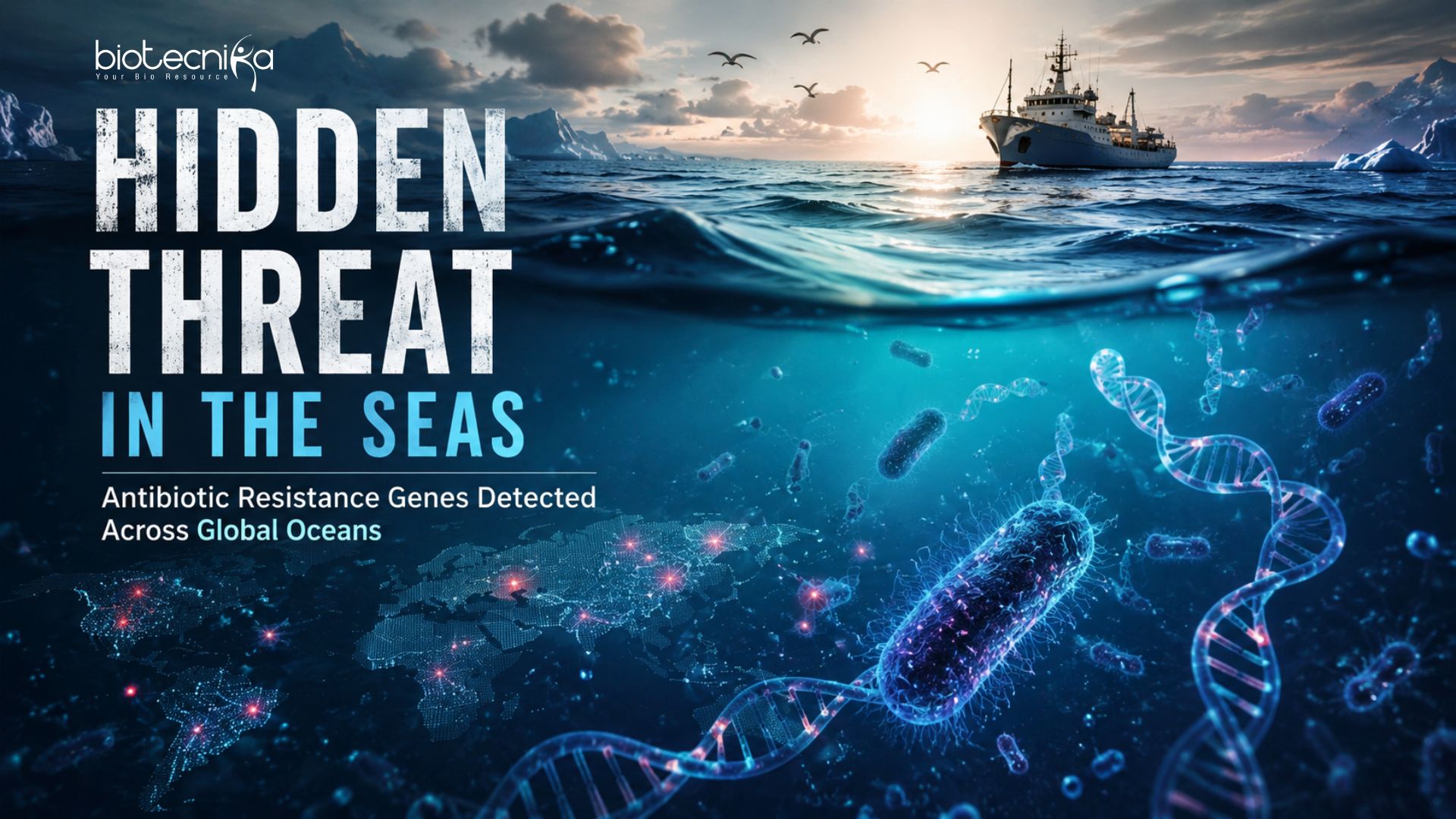
A new Italian-led study has found genes linked to antibiotic resistance in oceans across the world, including in some of the most remote marine areas. The findings were released on Monday as part of the SeA Care project, which analyzed seawater samples collected from different ocean regions around the globe.
Researchers found antibiotic-resistance genes in the Mediterranean Sea, Atlantic Ocean, Arctic Ocean, and several other marine regions. The highest levels were detected near busy shipping routes and heavily populated coastal areas.
According to the researchers, the results show that oceans are acting as a global storage system for pollution that comes from land. Genetic traces linked to antibiotic use and wastewater from cities can travel far from where they originally entered the environment.
Scientists warned that this could help these genes spread to remote communities and regions that are far away from the original source of pollution. The study was presented on Monday at a forum on ocean and human health in Rome. The event was hosted by Italy’s National Health Institute (ISS).
In addition to antibiotic- resistance genes, researchers also found microplastics, PFAS chemicals, often called “forever chemicals” because they break down very slowly, and traces of genetic material from the virus that causes COVID-19 (SARS-CoV-2). These substances were detected even in open ocean waters and remote locations.
Andrea Piccioli, Director General of the ISS, said that protecting human health also means protecting seas and oceans. He explained that pollutants released into the environment can spread around the world through water systems, food chains, and climate-related processes.
This project, SeA Care, is an Italian-led initiative linking environmental and human health; it aims to link human health to the environment. Among those involved are the ISS, the Italian Navy, and institutions from around the world. Its objectives are to build up a worldwide system for monitoring the ocean. To keep costs and the impact on the environment at a minimum, SeA Care utilized naval routes and scientific networks that were already in place and collected samples on routine missions.
During its initial 3-year project, 4000+ water samples were collected from over 140 sites in the Mediterranean, Atlantic, Pacific, Arctic, and Indian Oceans. According to scientists, the findings confirm that our oceans are functioning as an early warning system for potential worldwide health threats. Researchers said the findings could support policies addressing pollution, climate change and emerging health threats to develop more suitable strategies for combating pollution, global warming, and new health dangers.
Scientists said the project highlights how oceans can function as an early warning system for global health risks, reinforcing the importance of monitoring marine environments.