
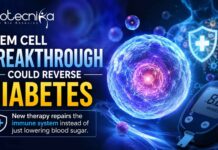






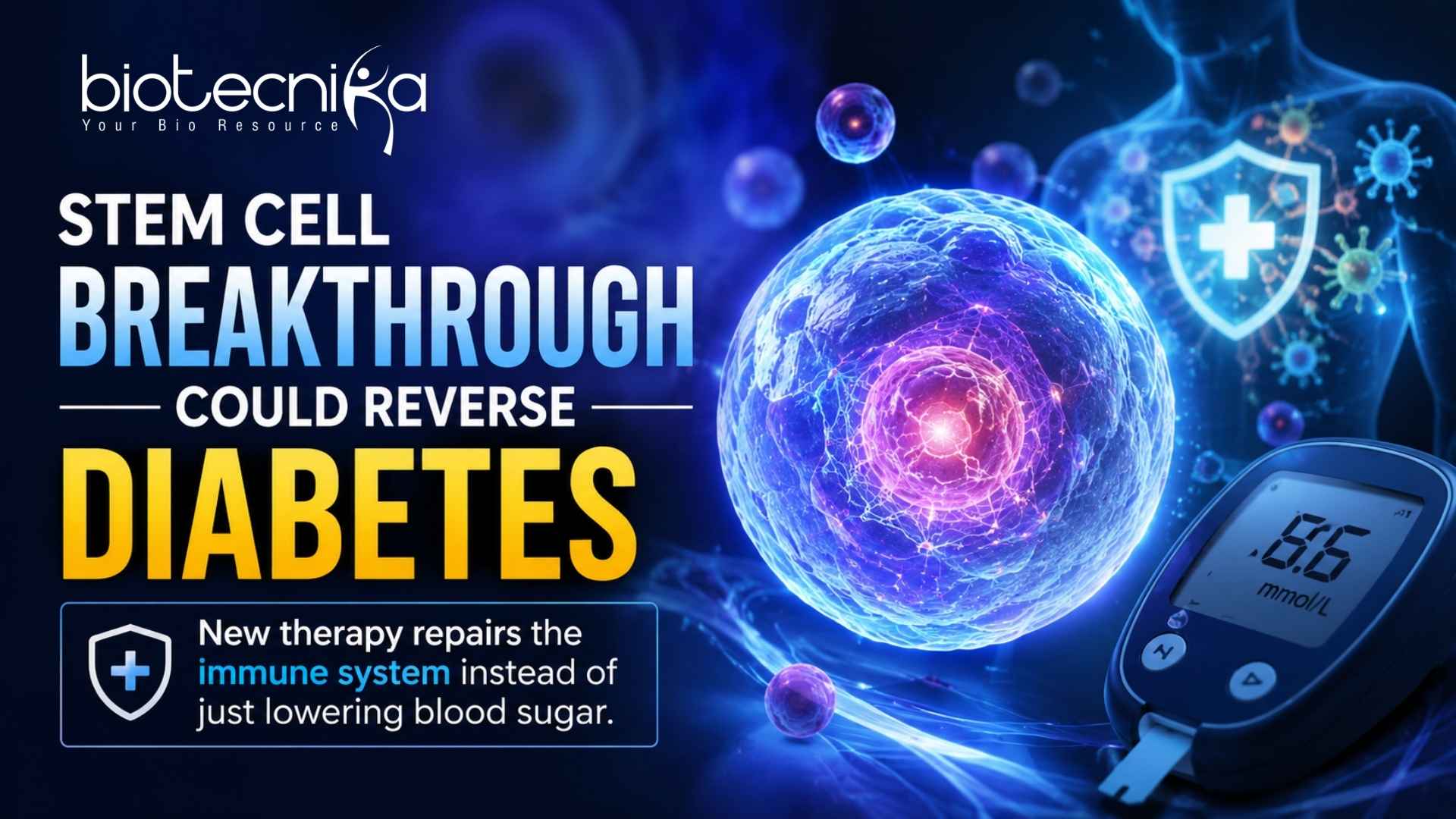
Stem Cell Breakthrough Could Reverse Diabetes
New therapy repairs the immune system instead of just lowering blood sugar.
Patients suffering from Type 1 diabetes have had to live for over a century by receiving injections of insulin to survive. Insulin aids in the regulation of blood sugar levels, but it does not address the fundamental issue: the diabetic person’s immune system attacks and destroys the cells that produce insulin. This is the reason researchers have been in search of a treatment that stops the real cause of the condition instead of treating the symptoms. Research led by the Medical University of South Carolina (MUSC) claims to have made a breakthrough. The research team has accomplished developing a stem cell therapy that has reversed Type 1 diabetes in mice. Their findings are published in the journal Molecular Therapy and indicate that this therapy can help retrain the immune system, protect the remaining insulin-producing cells in the body, and eventually change the whole approach towards the treatment of Type 1 diabetes.
Going After the Root Cause
The research was led by Dr Hongjun Wang, Associate Director of the South Carolina Clinical & Translational Research (SCTR) Institute Pilot Program and Co-Scientific Director of the Centre for Cellular Therapy. The study was carried out with co-first authors Dr Hua Wei, Dr Judong Kim, and Dr Wenyu Gou, along with several other collaborators.
“While insulin injections are lifesaving, they cannot stop immune attacks, and they do not prevent long-term complications,” Wang said. She explained that this study points to a new way of treating Type 1 diabetes, one that targets the root cause, immune system dysfunction, instead of just managing blood sugar.
How the Treatment Works
The therapy is built from mesenchymal stem/stromal cells, or MSCs. These are adult stem cells known for repairing damaged tissue and calming down an overactive immune system.
Earlier clinical trials had already hinted that regular MSCs might help protect whatever insulin-producing cells a patient has left. But there was a catch. In people with Type 1 diabetes, the immune system’s inflammation is so strong that it can overpower and weaken the stem cells before they get the chance to do any real good.
To solve this, Wang’s team genetically engineered the stem cells to produce a protective protein called alpha-1 antitrypsin, or AAT. This protein helps fight inflammation. The upgraded cells, now called AAT-MSCs, seem to work on two fronts at once. They protect the surviving insulin-producing cells in the pancreas, and at the same time, they calm down the immune attack that’s destroying those cells. Co-senior author Dr Charlie Strange said this two-in-one effect is what makes AAT-MSC treatment more powerful than standard stem cell therapy.
Retraining the Immune System
Wang’s team wanted to see precisely what the treatment was doing to the immune cells themselves. So they looked at thousands of cells after therapy. And to their surprise, it turned out not only to have a damping effect, but actually to change the way the cells of the immune system behave.
Two types of immune cells were mainly affected. The first are T-regulatory cells, which act like peacekeepers. They help protect the body’s own tissue, including the insulin-producing cells in the pancreas. The second are CD8+ killer T-cells, which are the ones responsible for attacking and destroying those same insulin-producing cells.
In people with Type 1 diabetes, the peacekeeper cells are still present, but they’re vastly outnumbered by the aggressive killer cells, so the attack continues until insulin production is lost.
After treatment with AAT-MSCs, the researchers saw a sharp rise in protective T-regulatory cells and a clear drop in active killer cells. The killer cells that remained also appeared to become exhausted, meaning they lost much of their ability to keep attacking.
A Treatment That Outlasts Itself
The length of time the effects lasted was one of the things that was most amazing. The engineered stem cells disappeared from the body within a matter of hours to days. However, the effects they had on the immune system persisted long after the cells were gone.
According to Wang, the stem cells do not need to be present to bring about a change to the T1D situation. The findings of other clinical studies with MSC treatments show that the positive effects of this cell therapy can be felt from six months up to two years.
Wang believes that the component responsible for the effects of AAT-MSCs is the small biological substance produced by the stem cells, even when they are no longer present.
Why Newly Diagnosed Patients Matter
This study focused on newly diagnosed diabetes because patients at this early stage are more likely to still have insulin-producing cells worth saving. Wang’s team is now running a clinical trial to test the safety and effectiveness of this MSC therapy in people who have recently been diagnosed with Type 1 diabetes. Her earlier work in this area was supported by an SCTR Discovery Grant.
Could This Help Other Diseases Too?
According to the researchers, this method may work for other diseases as well. They are looking into whether immune reprogramming can also be applied to other autoimmune and inflammatory diseases, such as lupus and chronic pancreatitis.
What’s Next
The results in mice show promise, but the treatment is experimental and more research is necessary before it can become more available to patients. “If first-in-human trials pan out,” Wang says, “we’re planning to move into a large, multi-centre study in Type 1 diabetes.” Also worth noting, some data suggest that even after people have had T1D for decades, they might still possess a pool of functional insulin-producing cells; if so, this new approach could eventually benefit long-time sufferers as well as newly diagnosed ones.
“Right now, insulin is still very important.
This work provides real hope that the future of diabetes treatment may lie in resetting our own immune system, not just in helping it.
If you want to be one of such scientists making discoveries for the world, get upskilled by Biotecnika, and be a researcher who can make a life-changing discovery.