









Stem Cells Keep Autoimmune Disease Away for 15 Years
Patients continue to thrive years after therapy
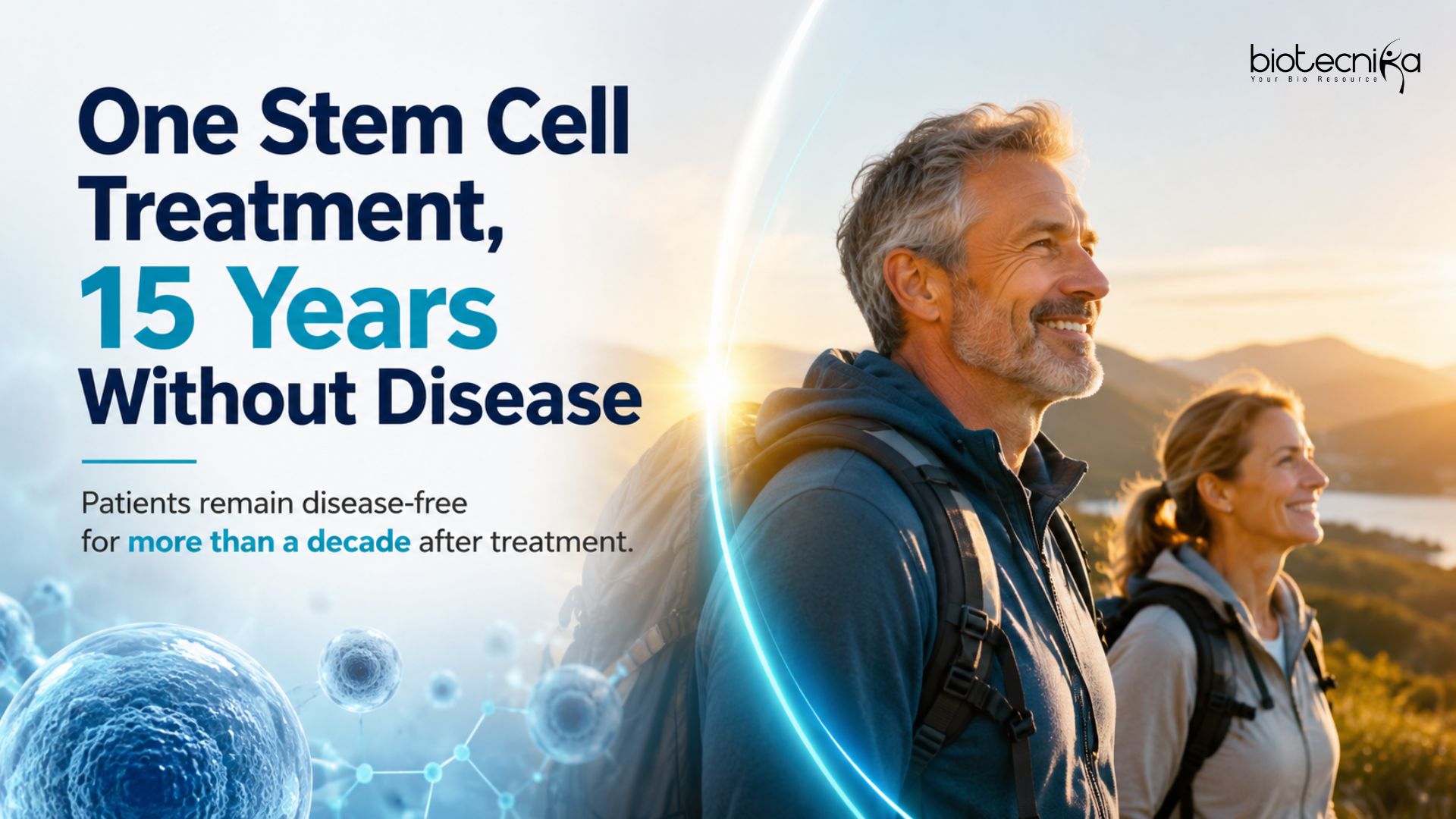
A man and a woman with a rare and serious autoimmune disease have remained free of disease symptoms for more than 15 years after receiving a stem-cell transplant. The results were published in the journal Med and have given researchers hope that the treatment could help more patients in the future.
The disease, called neuromyelitis optica spectrum disorder (NMOSD), occurs when the body’s immune system mistakenly attacks the spinal cord and the optic nerve, which connects the eyes to the brain. This can cause painful episodes lasting days or months. Symptoms include eye pain, vision loss, vomiting, weakness, and even paralysis in the arms and legs. Although current medicines can help prevent these attacks, they did not work for the two patients in this study.
After the treatment, both patients saw major improvements. The man regained neurological function, returned to a normal life, and later became the father of two children. The woman gained better use of her arms and no longer needs medication to control her symptoms.
Researchers used a procedure called an allogeneic hematopoietic stem-cell transplant, in which stem cells are collected from another person’s blood and given to the patient. This treatment has already been used for certain cancers, sickle-cell disease, and other blood disorders. According to the research team, this is the first time it has been used to treat NMOSD.
The man received stem cells from his sister in 2009. The woman received stem cells from an unrelated donor in 2010. Each patient received a single infusion of donor stem cells.
Before the transplant, both patients were given chemotherapy drugs called fludarabine and treosulfan, along with a monoclonal antibody treatment. These medicines remove the B cells responsible for producing the harmful antibodies that attack the spinal cord and optic nerve.
They also received a short course of antibodies and immunosuppressant drugs to reduce the risk of graft-versus-host disease, a serious condition in which donor cells attack the patient’s healthy tissues. Fortunately, neither patient developed this complication.
The researchers found that neither patient produced the harmful NMOSD antibodies after treatment. Instead, both developed healthy immune systems. Scientists believe the procedure completely replaced the patients’ immune systems, which may explain the long-lasting results.
However, experts caution that the study involved only two people, so it is still unclear whether the treatment would work for all NMOSD patients. Finding suitable stem-cell donors can also be difficult.
The treatment is not without risks. The patients experienced some side effects, including swollen lymph nodes, an antibody deficiency that required treatment, and bladder cancer. Secondary cancers can occur after stem-cell transplants. Infections after treatment are also a major risk and are the second leading cause of death linked to this procedure.
Because of these risks, researchers believe the treatment should mainly be considered for younger patients whose symptoms do not improve with standard treatments or who have other autoimmune diseases as well. Larger clinical trials will be needed to confirm the treatment’s safety and effectiveness.