















AWS Launches Amazon Bio Discovery to Speed Up Drug Development
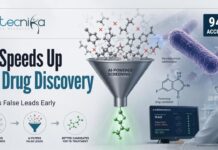
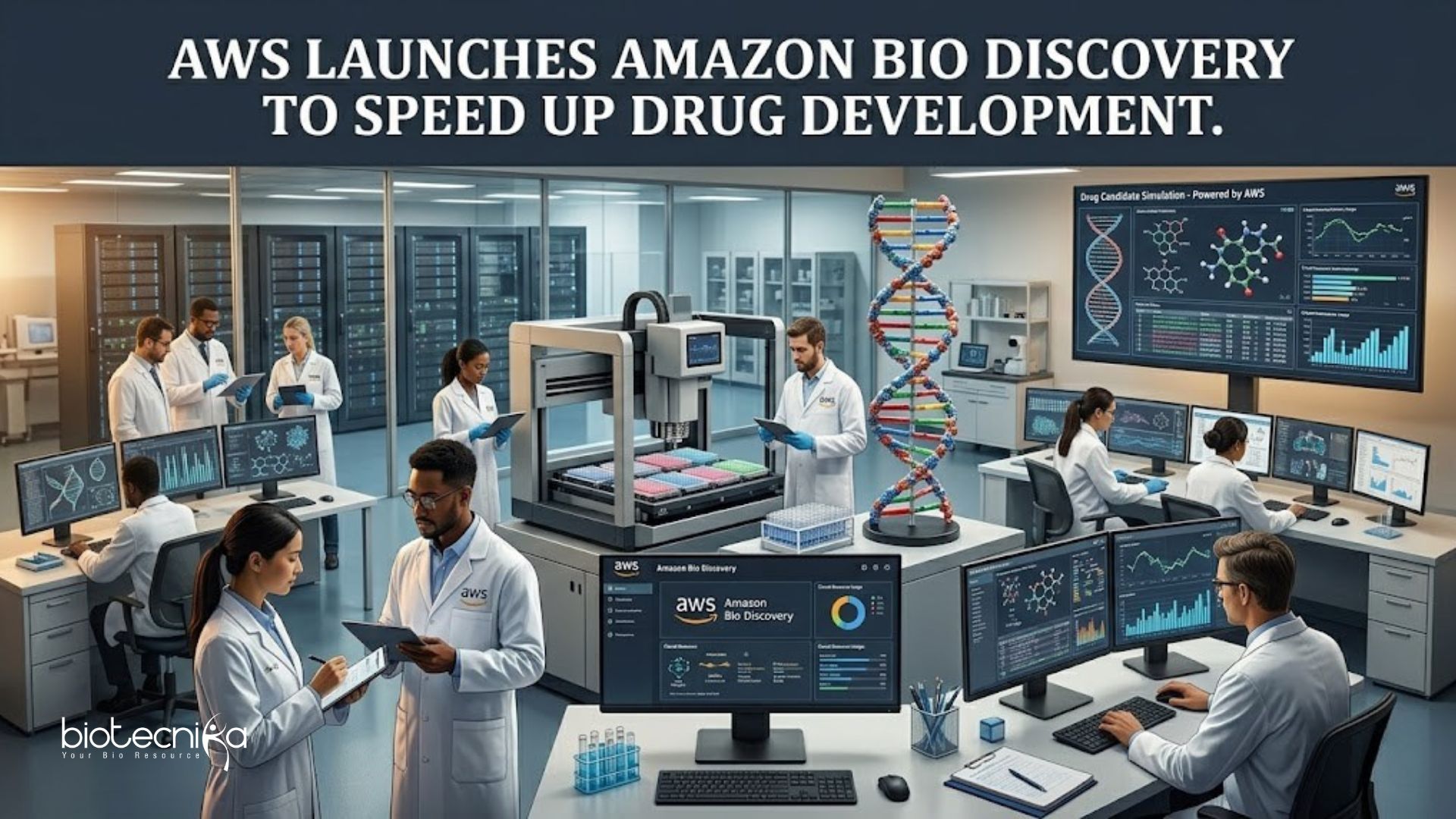
Amazon just launched something pretty cool called Bio Discovery through AWS. Basically, it’s an AI-powered platform made to speed up drug discovery and make advanced biology tools easier for researchers to use. For scientists and organizations invested in AWS innovation, this service was announced at the AWS Life Sciences Symposium in New York.
What it does is give scientists access to a bunch of biological AI models that they can tweak based on what they’re working on, especially in drug discovery. There’s also an AI assistant built in that can suggest which models to use depending on your research goal, help evaluate possible drug candidates, and even guide you in picking the best ones to test in the lab.
Overall, it’s designed to make the whole process faster and smoother by creating a more efficient “lab-in-the-loop” workflow, meaning less guesswork and quicker results. The use of AWS for this workflow underlines the cloud platform’s central role.
Challenges in Current AI-Based Research
The launch comes at a time when AI in life sciences is growing rapidly but still faces several practical challenges. Many existing AI tools require coding skills and the ability to manage complex computing systems. Researchers also struggle with comparing different models, handling disconnected datasets, and managing multiple lab partners while moving from computational design to real-world testing. Amazon Bio Discovery is designed to address these gaps by offering a single integrated platform with three key capabilities: a benchmarked library of AI models and analysis tools, an AI agent that supports experimental decisions, and a connected network of lab partners that can test selected candidates and feed results back into the system to improve future designs. Clearly, solving these issues is one of AWS’s core aims in this space.
Making AI Accessible to More Scientists
According to Rajiv Chopra, Vice President of Healthcare AI and Life Sciences at AWS, the goal is to make powerful AI tools accessible to a wider range of researchers, not just those with deep technical expertise. The platform allows scientists to use their own experimental data to fine-tune models without needing complex training pipelines or custom coding. It also supports the deployment of in-house models within the same environment. To further support decision-making, Amazon Bio Discovery includes an antibody benchmark dataset that helps evaluate whether a drug candidate is likely to have desirable properties such as stability and manufacturability before moving to physical testing.
Industry Adoption and Key Partnerships
The pharmaceutical sector has used AWS significantly to handle resources through Research Workloads — 19 of 20 leading Global Pharmaceutical Companies are already utilizing this avenue as part of their usage by utilizing the services of Amazon Web Services to carry out research workloads. Additionally, several early adopters of the product include Memorial Sloan Kettering Cancer Center, Bayer Corporation, and the Broad Institute (among others). The services offered are expected to come together with the existing processes, such as those offered by ADN/CLM Clients/Apheris, and the processes of ADN/CLM Clients/Boltz, with Biohub and Profluent soon to follow. In addition, for the means of supporting such scenarios through Validation of Experimental Evidence, AWS has entered into strategic alliances with laboratory services such as Twist/Latin American Biophysical Laboratories and Ginkgo Bioworks, as well as A-Alpha Bio, being a potential service to partner with AWS through either channel in the future.
A Step Toward Faster Drug Development
Amazon Bio Discovery aims to provide an integrated solution that can scale and manage data securely, enabling pharmaceutical, biotech, and academic research organizations to improve the efficiency of the drug discovery process by decreasing the need for manual effort and expediting the transition from early-stage research through to actual treatments in practice. All these advances show the increasing adoption of AWS in life science innovations.