

















Lab-Grown Human Bodies Without Brains? The Shocking Rise of ‘Bodyoids’”
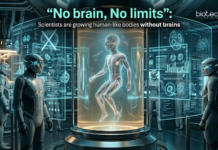
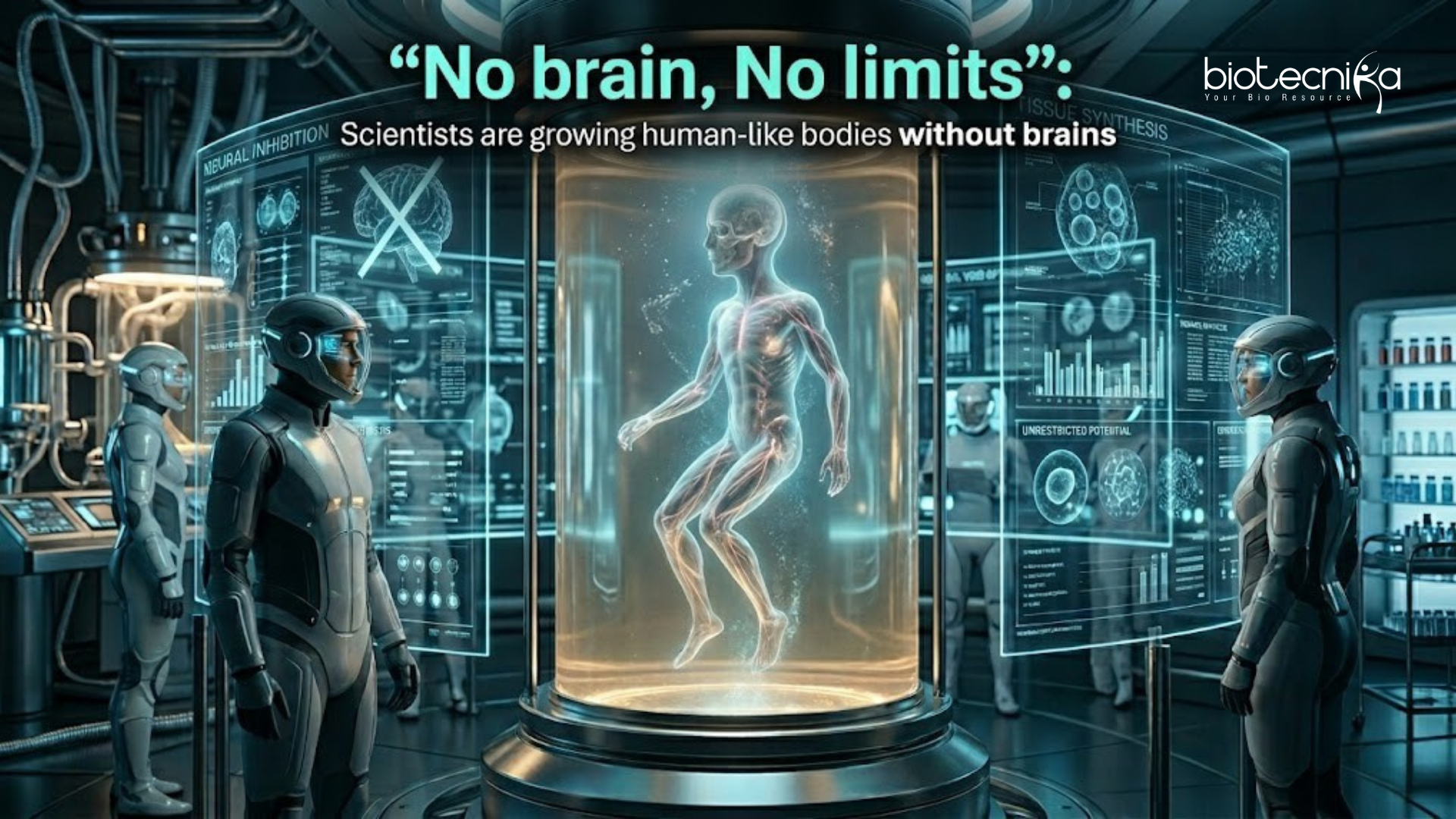
A brand new form of bio-technology seems to be a scene from a science fiction film; however, it exists today. A start-up company that has been providing its investors (including RS Bio) with large amounts of funding is in the development of what they call “Bodyoids.” These living systems resemble human bodies but do not have brains.
As well as being unable to feel pleasure or pain, it is believed that Bodyoids will have the ability to grow and develop to a point where they can support functioning human organs, thus providing a potential solution to both the problems associated with animal testing and also potentially providing a source of organs for transplantation in the future.
What are bodyoids?
Bodyoids are an advanced version of “organoids,” which are tiny lab-grown versions of human organs. Scientists have been using organoids for years to study diseases like cancer, brain disorders, and viral infections.
However, organoids are limited because they work in isolation. Bodyoids aim to change that by combining multiple organs into one system. This allows scientists to study how organs interact, respond to stress, process drugs, and behave during diseases—all in one connected structure.
Early research is being done using animal cells, especially from primates, before moving on to fully human cells.
Who is funding this?
The project has strong financial backing. Investors include billionaire Tim Draper, along with biotech firms like Immortal Dragons and LongGame Ventures.
Their support shows that bodyoids are not just an experiment—they could become a major part of future healthcare, especially in organ replacement and life extension.
Why are scientists working on this?
There are several reasons:
- Animal testing often does not accurately predict how drugs will work in humans.
- Ethical concerns about using animals are increasing.
- There is a global shortage of organs for transplant.
Organizations like the Food and Drug Administration and the National Institutes of Health are encouraging alternatives to animal testing. Policy changes during Donald Trump’s administration also added momentum.
How are bodyoids made?
Scientists start with pluripotent stem cells, which can turn into any type of human cell. They guide these cells using chemical signals to form specific organs and then combine them into a system.
Special machines called bioreactors provide oxygen, nutrients, and remove waste, mimicking conditions inside the body. Importantly, scientists block the development of the brain by stopping the pathways that form neural tissue. This ensures the system remains non-conscious.
The future: an “organ factory.”
The long-term vision is to move from repairing organs to replacing them. Instead of waiting for donors, hospitals could use lab-grown organs matched to each patient. This could reduce rejection and remove the need for lifelong medication.
It could also reduce illegal organ trade and help save lives in emergencies.
Ethical concerns
Even without a brain, bodyoids raise serious questions. Some people worry this could make human life seem like a product. Others are concerned about how far this technology could go in the future.
There are also questions about ownership and consent when human cells are used.
Challenges ahead
There are still major hurdles. Scientists need to create stable blood vessel systems to support multiple organs. Scaling up production and keeping these systems working long-term is also difficult.
Regulations are unclear because bodyoids are neither fully human nor simple lab samples. Public acceptance will also be key.
Bodyoids could transform medicine—but how far this goes will depend not just on science, but on ethics and society’s choices.