














Benefits of Biotechnology in Human Life
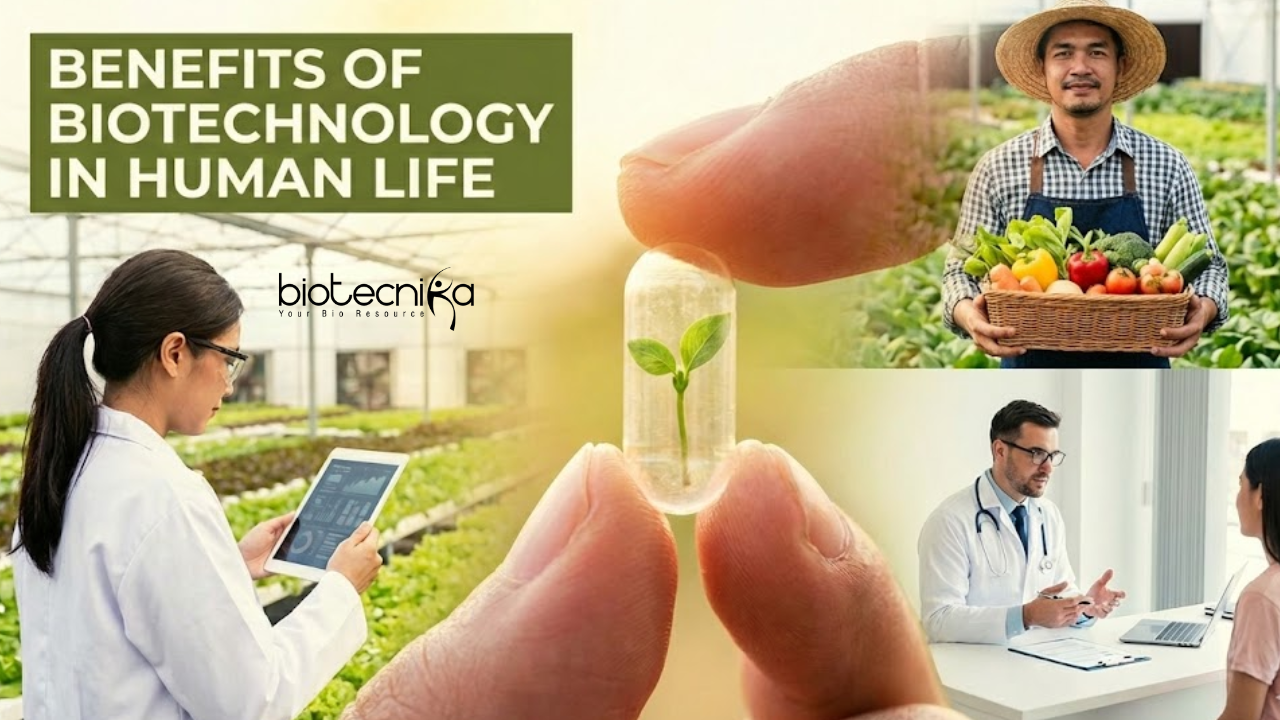
Biotechnology is more than just a subject; it is one of the leading sectors that makes its contribution from food to healthcare. The benefits of Biotechnology are not limited to one or two areas – they are widespread. Biotechnology has become one of the most powerful and significant tools that moulds the way we humans and other creatures live. The advantages of Biotechnology spread from life-saving medicines to crop yields. It has integrated well into our lives in many ways that we don’t realize. As science and technology advance, the importance of biotechnology also grows, making the field not only innovative but also human-centric.
This article focuses on the benefits of biotechnology, its advantages and importance in human life. Understanding why it matters and future prospects and how it continues to transform agriculture, healthcare and sustainability.
Benefits of Biotechnology in Healthcare
Post-COVID, when people talk about biotechnology, healthcare is the first thing that strikes in mind. And of course, for good reasons. Biotechnology in Healthcare has revolutionized the diagnostic and treatment approach and disease prevention.
- Diagnostic Advancements: Biotechnology tools such as NGS (Next-Generation Sequencing), PCR, and Rapid immunoassays allow doctors to detect diseases earlier and more accurately than a few years ago. The Importance of Biotechnology in Healthcare saw a greater leap during pandemics and outbreaks.
- Personalised Medicine: The treatment for the illness isn’t common anymore; it changes from one person to another. Once, doctors used to prescribe medicines based on symptoms, but now a vial of blood and a PCR can tell the whole story. The most significant advantage of biotechnology here is the shift towards personalised medicines. Genetic tests help doctors understand the body’s response to certain drugs, and treatments are designed based on the body’s processes. This way, the side effects are also minimised.
- Regenerative Medicine: Biotechnology has made it possible, which was once thought impossible. Stem Cell Technology and Tissue Engineering help restore damaged tissues. Biotechnology has proven its potential in treating conditions like spinal injuries, heart disease, and degenerative disorders. 3D bioprinting of organs can solve the organ shortage and minimize graft rejections during transplantation.
- Therapeutic Breakthrough: Gene editing and cell therapies are moving from experimental stages to reality. CRISPR-based and cell-based gene therapies are receiving regulatory approvals and progressing through clinical phases. The diseases, previously considered incurable, are being redefined with the benefits of biotechnology. From monoclonal antibodies to vaccines, biotech-driven therapies have saved many lives. Cancer immunotherapy, gene therapy, and mRNA vaccines are the powerful outcomes of decades of research and innovation in biotechnology.
Importance of Biotechnology in Agriculture
As there’s a rise in the global population, the need for food security becomes essential. This is where biotechnology comes into the picture. Whether enhancing food nutrition or crop protection, the benefits of biotechnology are widespread.
- High-Yield Crops: In the regions that are under climate challenges, crop productivity naturally decreases. To overcome this issue, genetically engineered crops are developed that can withstand drought, pests, and diseases. This not only reduces the crop losses but also boosts the overall productivity.
- Enhanced Nutritional Value: Biofortification of crops is the best way to address the nutritional crisis. Golden rice enriched with vitamin A is the well-known example. Such advancements can help address malnutrition and align with food security solutions.
- Reduction in Chemical Dependency: Pest-resistant crops help farmers to use fewer pesticides. These GMO crops not only improve the farmer’s economy but also reduce the environmental impact of chemical pesticides.
Environmental Protection
The benefits of Biotechnology don’t stick to one field, it has advanced in the field on environment and sustainability.
- Bioremediation: Microorganisms are engineered to break down oil spills, plastics, and toxic waste, helping to revive polluted ecosystems.
- Biofuels: Producing energy from biomass like algae or agricultural waste reduces dependency on fossil fuels and lowers carbon footprints.
- Waste Reduction: Biotech innovations help industries convert waste into valuable products, promoting circular economy models.
Biotechnology in Industries
To create efficient and eco-friendly production systems, the industrial sector rely heavily on Biotechnology.
- Enzyme-based Manufacturing: From detergents to textiles and food processing, enzymes help save time, energy, and cost. They speed up reactions and improve product quality.
- Bioplastics: Plastic pollution is increasing at an alarming rate. Eco-friendly plastics derived from renewable biomass offer a sustainable alternative to petroleum-based plastics. With the advantage of Biotechnology, biofactories can create materials that were once reliant on the petroleum industry.
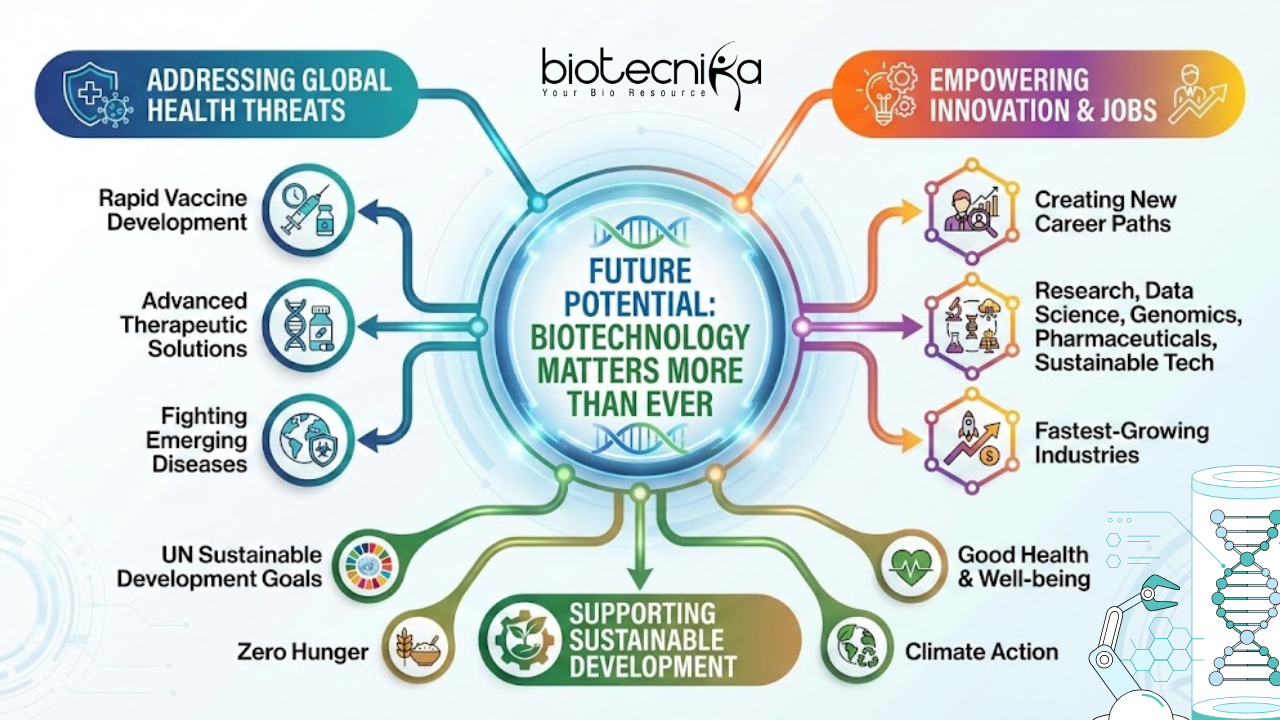
Advantages of Biotechnology
- Biotechnology offers a wide range of benefits for human life across almost all sectors.
- It accelerates the development of safer and precise medicines and supports sustainable agricultural practices.
- It rewards eco-friendly manufacturing, which in turn strengthens public healthcare systems.
- With the integration of biology and advanced technologies such as AI, nanotechnology, and genetic engineering, the benefits of biotechnology are limitless.
- It plays a role in faster problem solving, more innovation, and greater precision.
These advantages of biotechnology collectively improve the quality of life, reduce environmental impact, and open new economic opportunities.
In 2025, the benefits of biotechnology are more visible and more impactful than ever before. From transforming the way diseases are diagnosed and treated to building climate-resilient crops and cleaning our environment, biotechnology has become a significant tool of human progress. The real advantages of biotechnology lie in its ability to solve problems that were once considered impossible, whether it’s creating life-saving therapies, boosting global food security, or designing eco-friendly industrial processes. As we move deeper into a future shaped by innovation, the importance of biotechnology will only continue to grow, influencing how we live, work, heal, and protect the planet. And at the heart of this progress is biotechnology in healthcare, leading breakthroughs in personalized medicine, gene-based treatments, rapid diagnostics, and preventive care. Together, these advancements show that biotechnology is not just a scientific field but a powerful force improving human life today and redefining what’s possible tomorrow.