





















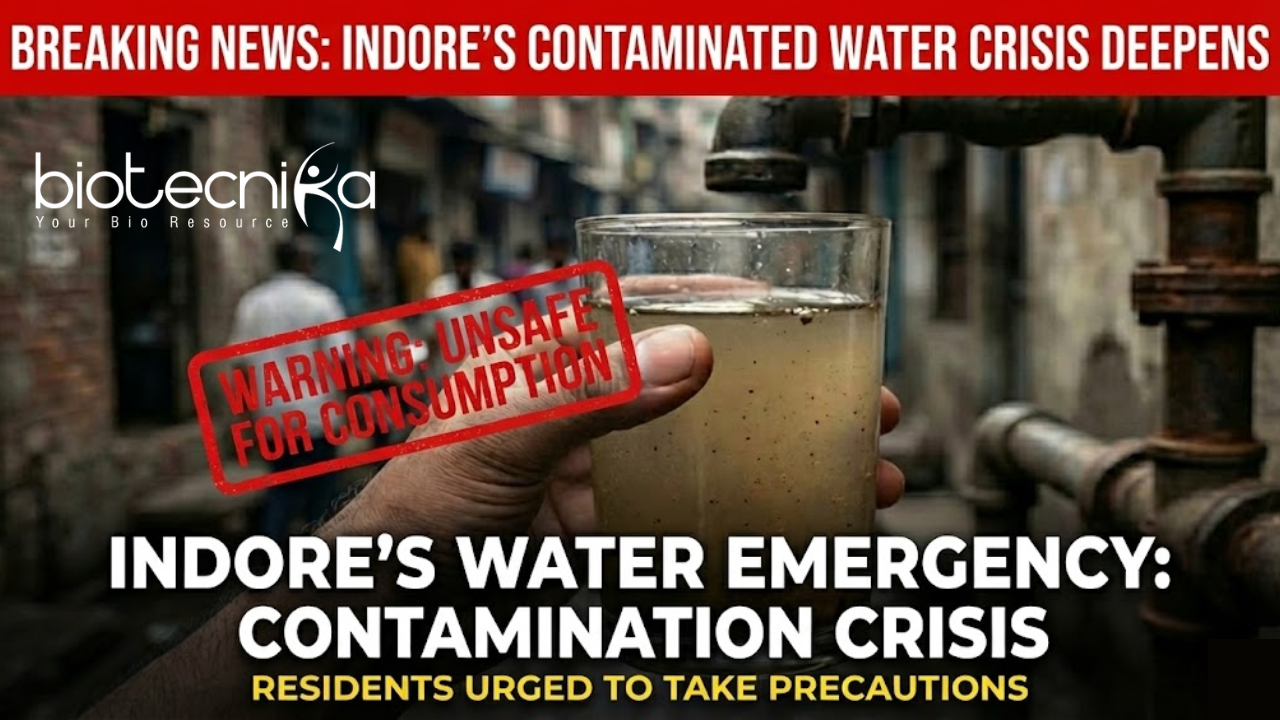
Indore’s Contaminated Water Crisis Worsens: Deaths Rise, Hundreds Hospitalised as Health Fears Mount
Bhagirathpura residents battle a growing waterborne infectious disease outbreak as authorities investigate the cause and experts warn of wider public health risks.
Bhagirathpura Residents Fall Ill After Drinking Water Consumption
Indore, which is considered the cleanest city in India, is today battling with the critical contaminated water crisis. The growing outbreak in Bhagirathpura, which is a densely packed locality of Indore, has left hundreds of people sick and has resulted in multiple deaths. Local health workers and the media describe it as an outbreak connected to the contaminated water.
In late December 2025, according to the media reports and sources from the hospitals, cases with symptoms of vomiting, diarrhea, dehydration, and other gut-related problems were reported. This was followed by the tide of hospital admissions in the first week of January 2026. This has garnered the attention of the state health authorities to investigate and control the outbreak, which is now described as a waterborne infectious disease event by the officials.
Timeline of How the whole Crisis Unfolded
Based on the reports of media outlets, hospital records, and the locals:
- The first case of acute gastroenteritis surfaced in Bhagirathpura on December 27 after a resident developed vomiting and diarrhea following the consumption of tap water.
- As patient numbers rose in early January 2026, local hospitals and clinics began receiving a surge of cases.
- From January 4 onwards, authorities intensified surveillance and launched an investigation into suspected water supply contamination.
What initially appeared to be a local illness has since escalated into a citywide alarm over contaminated drinking water.
Human Impact of the Contaminated Water Outbreak
According to media outlets reporting and hospital sources in Indore:
- It was reported that more than 1400 people have succumbed to illness after consuming the suspected contaminated water.
- Around a hundred residents have been hospitalized, with many treated for severe dehydration and similar illnesses.
- About 16 deaths have been reported by the locals, whereas official confirmation from the upper health authorities is still under review.
Medical teams are still monitoring the patients daily, with many people still in critical care.
Suspected Cause of Contaminated Water: What caused this?
Media reports and the initial findings point towards the sewage contamination of the municipal water supply as the key factor behind the outbreak. Experts say that old pimples, leakages, or cross-contamination between the drinking water line and the sewage lines have allowed the harmful bacteria to seep into the system.
Laboratory findings are reportedly showing the presence of fecal bacteria, which are commonly responsible for waterborne infectious diseases, which usually spread through the consumption of unsafe water and poor sanitation.
The state authorities have started the chlorinations and switched off the contaminated supply lines, to further analyse the water samples and control the spread of infection.
Medical Observations and Health Concerns
The majority of cases point towards the gastrointestinal symptoms that are typical of waterborne infectious diseases. But past these, doctors have shown suspicion of the neurological complications in the isolated cases, which has raised a deeper concern.
One of the older patients showed symptoms that were consistent with Guillain-Barré Syndrome (GBS), a rare neurological disorder that can sometimes follow infections. Many medical experts focused on the implications that while GBS is known to occur after certain bacterial or viral illnesses, there has been no direct or causal link to the contaminated water that has been officially reported in this case.
Some health officials have mentioned that the investigation is still ongoing and advised caution against any unfounded conclusions. Similar cautionary language regarding emerging symptoms was reported in Free Press Journal coverage.
What Caused the Contaminated Water?
For the residents of Bhagirathpura, this crisis is not just a medical one, but it is also emotional and financial. The daily wage earners have lost a significant amount of money while taking care of their sick relatives. In severe cases, the huge number of hospitalizations has pushed many a household over the edge.
Understanding contaminated water and Waterborne Infectious Disease
A waterborne infectious disease arises when drinking water is contaminated with harmful microorganisms, often due to inadequate sanitation or breaches in water infrastructure. Symptoms can include:
- Diarrhoea
- Nausea and vomiting
- Fever
- Severe dehydration
These illnesses can be particularly dangerous for children, the older, and individuals with compromised immunity.
Administrative Response and Public Health Measures
The municipal corporation and health administrators have responded by increasing the water quality monitoring and temporarily switching off the affected distribution lines for further investigation and disinfection purposes. The administration promptly carried out chlorination drives and distributed safe drinking water as immediate control measures.
The officials are now conducting door-to-door screening in the affected localities and also simultaneously coordinating with hospitals to keep track of the new admissions. The authorities have generated an alert for the residents to rely on the boiled or the bottled water until further notice.
Broader Questions About Urban Water Safety
This outbreak in Bhagirathpura has raised concerns about the water quality and the stability of infrastructure in the growing urban areas.
Madhya Pradesh, which has earlier received international funding for the improvement of water infrastructure, with strict guidelines on the quality audits and periodic testing, has most certainly overlooked or mostly remained inconsistent with its safety.
The Indore outbreak, experts also say, may be the consequence of long-standing neglect rather than an isolated accident.
What Happens Next?
Health authorities continue their investigations into the cause and spread of the outbreak, with updates expected as testing and containment operations progress.
This incident also sparks broader questions about safe drinking water in Indian cities and the systems in place to protect public health.
Could similar contaminated water crises happen elsewhere? What steps should authorities take to prevent them? Share your thoughts in the comments section.