



















The Immune Cells Behind Longevity: Scientists Reveal New Ageing Clue
What if a tiny group of immune cells held the key to living longer and healthier?
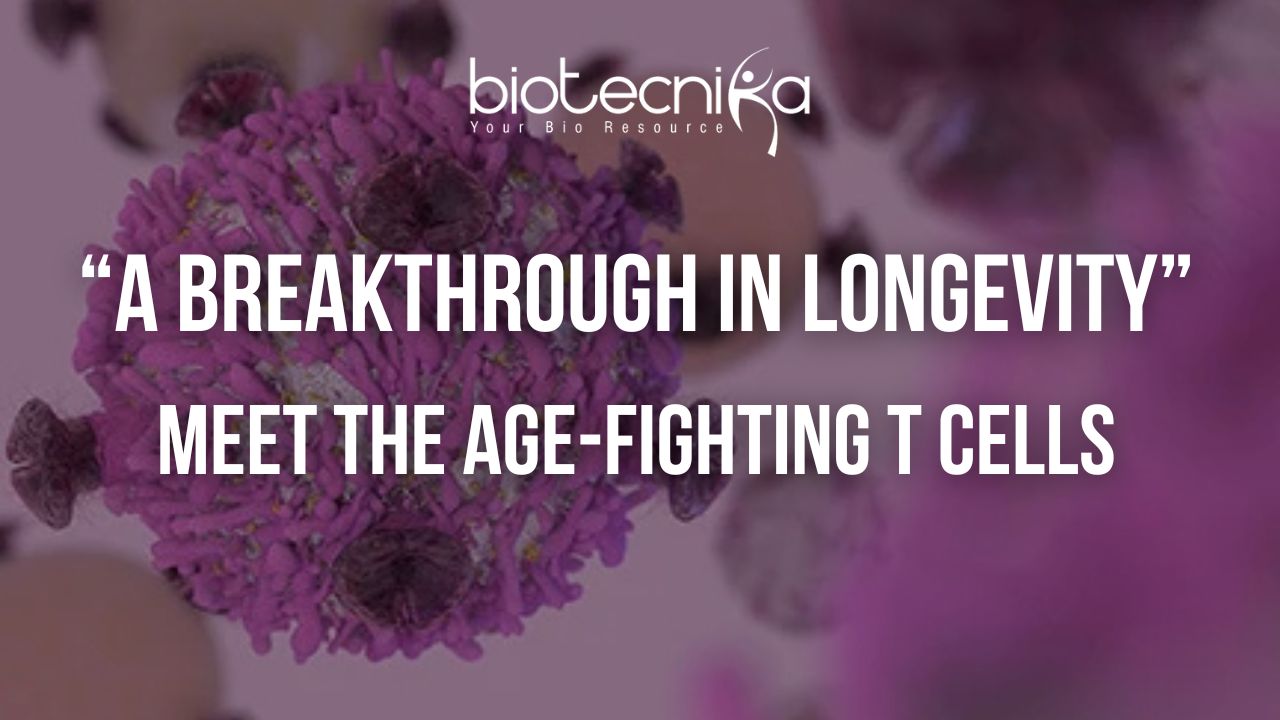
Imagine if the secret to longevity wasn’t in a pill or device—but inside our own body, quietly defending us through the actions of immune cells, especially T helper cells. A new study from Ben-Gurion University of the Negev suggests that a special subset of T helper cells, a type of immune cell, may be a major clue in helping people live longer and healthier as they age.
As we age, our cells slowly start to lose their ability to repair damage. Senescent cells—cells that have stopped dividing—naturally appear, but when too many accumulate, they can trigger inflammation and tissue injury. This buildup leads to signs of aging and increases the risk of age-related diseases. Finding ways to remove these senescent cells has become a major focus for longevity and healthy aging research.
A New Player in Immune Defense and Longevity:
The new research, led by Prof. Alon Monsonego in collaboration with Prof. Esti Yeger-Lotem and Prof. Valery Krizhanovsky, identifies a previously unknown subset of T helper cells that increases with age. Surprisingly, these immune cells work as gatekeepers that coordinate immune responses to eliminate senescent cells—ultimately slowing down the aging process and supporting longevity.
The findings were supported by studies of supercentenarians (people over 100), where this specialized T helper cell subset was found in abundance, suggesting a strong link to longevity and healthy aging.
Experimental Highlights: Immune Cells and Longevity in Action
Here’s what the researchers found:
- Subject groups: Studies were conducted in mice and complemented with observations from human subjects (people over 100), where the role of immune cells and T helper cells was examined.
- Intervention: Researchers decreased the number of specialized T helper cells in mice to observe effects on aging, its effect on the body, and longevity.
- Control vs. treatment: Mice with fewer T helper cells aged faster than those with normal levels of these immune cells.
- Outcomes: Decreasing T helper cell levels accelerated aging signs and shortened lifespan, proving their essential role in healthy aging and longevity.
- Human observations: Supercentenarians had high levels of this T helper cell subset, reinforcing the connection between these immune cells and extreme longevity.
How These Immune Cells Work to Support Longevity
Think of these T helper cells as “cellular custodians.” They patrol the body, identifying and clearing out senescent cells before they can cause inflammation. In simpler terms, these cells act like an internal cleaning system that removes molecular debris to keep tissues functioning properly. By maintaining a balanced immune system, these T helper cells help the body stay strong, healthy, and conducive to longevity.
Implications for Human Health, Aging, and Longevity
These findings could redefine how we approach longevity and healthy aging. Instead of trying to reset the entire immune system, the research highlights the importance of supporting age-appropriate immune cell responses—especially the unique role of T helper cells.
Tracking these immune patterns from early adulthood may help predict biological age or risk of age-related conditions. The discovery may also open new pathways for diagnostics and therapies that use immune cells to slow aging and promote longevity.
Limitations and Open Questions:
While the discovery is promising, questions remain. How safe and effective would therapies targeting immune cells and T helper cells be in humans? Could boosting these cells in midlife have side effects? And can these findings be translated into long-term treatments that broadly improve longevity? Further studies are needed.
Looking Forward: Immune Cells as a Key to Longevity
By understanding these specialized cells, scientists are moving toward new possibilities in healthy aging. While this research doesn’t promise everlasting youth, it offers realistic pathways through which the immune system—and especially T helper cells—may contribute to improved longevity.

