




















Scientists Uncover a Surprise Link: A Single Gene May Directly Spark Mental Illness
Imagine being told that one tiny gene, just a microscopic thread in your DNA, might nudge the brain toward emotional struggles years before they appear. For a long time, this idea seemed far-fetched. Most scientists believe that mental illness is shaped by hundreds of small genetic influences piled on top of life experiences. But a new study from Universität Leipzig has shaken up that assumption.
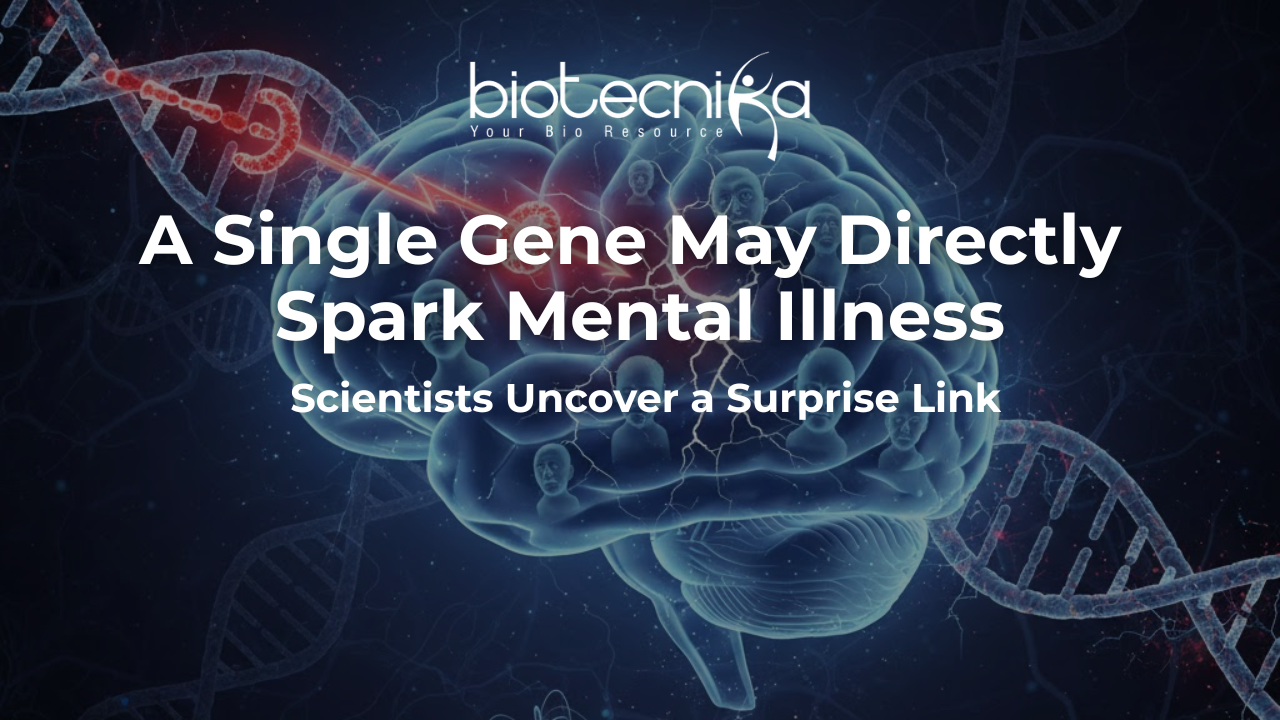
The research team looked closely at a rare gene called GRIN2A, and what they found has stunned the neuroscience community. Instead of acting as one piece of a large puzzle, this single gene seems capable of directly triggering psychiatric symptoms. And in many of the people studied, these symptoms surfaced much earlier than expected, sometimes during childhood, long before the typical age when most forms of mental illness show up.
The team analyzed medical and genetic information from 121 individuals who carried GRIN2A variants. Some children showed signs of emotional distress, unusual behavioral shifts, or early symptoms associated with serious conditions. Others displayed issues linked to mental health, such as mood instability or traits connected to anxiety, without having the seizures or learning difficulties normally seen in GRIN2A-related disorders. This was one of the biggest surprises for the researchers.
To understand what might be happening inside the brain, the scientists focused on the role of GRIN2A in regulating NMDA receptors. These receptors are like tiny electrical “gateways” that help nerve cells communicate. When GRIN2A is altered, these gateways don’t work as efficiently. Slower communication between neurons may create the kind of internal imbalance that contributes to mental illness and mental health disturbances, including anxiety.
What makes this study even more interesting is the early attempt at treatment. In collaboration with pediatric neurologist Dr. Steffen Syrbe, the team tried supplementing some patients with L-serine, a naturally occurring molecule known to support NMDA receptor activity. Several individuals reported improvements, not only in general mental health but also in symptoms related to anxiety and emotional regulation. It’s far too early to call this a cure, but the results offer a hopeful hint.
This breakthrough didn’t appear overnight. Professors Johannes Lemke and Steffen Syrbe have been working together for nearly 15 years, tracking families and documenting cases from around the world. Over time, they built the largest GRIN2A patient registry known today. That long-term effort finally allowed them to spot a pattern strong enough to suggest that this single gene can, in some situations, lead directly to mental illness.
The discovery opens an entirely new chapter in psychiatric genetics. It may help doctors identify at-risk children earlier, explore targeted treatments, and understand why some people develop severe symptoms while others experience milder mental health challenges or anxiety only. For now, one thing is clear: sometimes the tiniest biological clues can reveal the biggest stories about the human mind.

